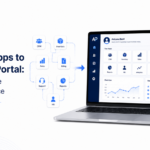
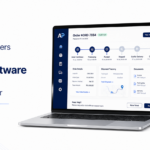
A customer placing an order online may look like the end of the buying process, but for most B2B businesses, it is only the beginning. Behind that order, someone may still need to check pricing, confirm stock, get approval, update the ERP, coordinate with a supplier and keep the customer informed.
This is where a B2B platform can do more than support online ordering. By connecting the processes around an order, businesses can reduce manual work, avoid moving information between systems and give customers, dealers and suppliers a more connected experience.
The goal is simple: make the entire B2B process work together, not just the online order.
Why Online Ordering Is Only One Part of the B2B Process
In B2B, an order often involves more than selecting products and clicking submit. A customer may have agreed pricing, specific purchasing rules or credit terms that need to be checked before the order can move forward.
After the order is placed, teams may need to confirm availability, arrange fulfilment, update records and coordinate with suppliers. In some businesses, an order may also need internal approval before it can be processed.
When these steps happen across separate systems, employees often end up copying information, checking emails or following up manually. A B2B platform can connect these activities so the order becomes part of a wider process rather than an isolated online transaction.
Customer and Account Management
A B2B relationship involves much more than taking orders. Customers may need access to their account information, agreed pricing, previous orders, documents and ongoing requests. If this information sits in different places, employees may have to spend time finding it and sharing it manually.
A connected B2B platform can bring these customer activities closer together. Customers can access the information relevant to their account, while internal teams can work with the same business data behind the scenes.
For example, a customer could log in, check their agreed pricing, review previous orders and access relevant documents without having to contact a sales representative for every request. This creates a smoother experience while reducing repetitive work for internal teams.
Product, Pricing and Inventory Information
A B2B order is easier to manage when customers can see the right product, price and availability information before they place it. In many businesses, however, these details may come from different systems or require manual checks.
A connected B2B platform can bring these pieces together. A customer or dealer could see the products relevant to their account, their agreed pricing and available stock before placing an order.
The process can work like this:
Product information → Customer-specific pricing → Availability → Order
Keeping these details connected can reduce pricing confusion, unnecessary order changes and the need for employees to confirm basic information manually. It also gives customers a clearer view of what they can actually purchase at the time they need it.
Orders, Approvals and Business Workflows
Some B2B orders cannot move straight from submission to fulfilment. They may need a pricing check, credit approval, internal review or confirmation from another team before processing can begin.
A connected B2B platform can link these steps to the order instead of relying on separate emails and manual follow-ups. For example, an order that exceeds a certain value could automatically follow an approval process before being sent for fulfilment.
This creates a clearer process for everyone involved. Employees can see what needs attention, while customers or dealers can receive updates without repeatedly contacting the business.
The benefit is not simply automating one approval. It is connecting approvals and other business processes to the B2B transaction so work can move forward with fewer manual handoffs.
Connecting Suppliers and Internal Teams
A B2B order often involves people outside the customer-facing team. If a product needs to be sourced, replenished or confirmed with a supplier, the information has to move between different parts of the business.
A connected B2B platform can help link these activities. For example:
Customer order → Internal team → Supplier → Inventory → Fulfilment
The relevant teams can receive the information they need without relying entirely on email or manually re-entering order details. Suppliers can also be given access to relevant purchase orders, product information or delivery updates through controlled processes.
This creates better visibility across the order journey and can help reduce delays caused by information being passed between disconnected teams and systems.
Connecting the B2B Platform With Existing Business Systems
A B2B platform does not have to replace the systems a business already relies on. Its value can come from connecting those systems so information can move between the right people and processes.
Depending on the business, the platform may connect with an ERP for orders and account information, a CRM for customer data, a PIM for product information, or inventory and order management systems.
The basic flow can look like:
Customer / Dealer / Supplier → B2B Platform → Business Systems
This gives users a simpler way to interact with business processes while existing systems continue doing their specific jobs in the background. The result is less need to switch between applications or manually move information from one system to another.
What Does a Connected B2B Process Look Like?
Consider a customer ordering a product that requires specific pricing and stock confirmation. Instead of treating the order as a standalone transaction, a connected B2B platform can bring the related steps together.
The journey could look like this:
- Customer searches for a product
- Sees account-specific pricing and availability
- Places the order
- Required approval is triggered
- Order information moves to the ERP
- Supplier or inventory process is updated
- Customer receives order status
The exact process will vary between businesses, but the principle remains the same. A B2B platform can connect the activities surrounding an order so information does not have to be manually passed from one team or system to another.
When Should Businesses Connect More Than Online Ordering?
A business may need to look beyond online ordering when the process still depends heavily on manual work. Signs include:
- Employees regularly move order information between systems.
- Customers contact teams for information they should be able to access themselves.
- Approvals are handled through email.
- Pricing or product information requires manual checking.
- Supplier coordination happens separately from customer orders.
- Teams rely on spreadsheets to fill gaps between applications.
When these challenges become part of everyday operations, a B2B platform can help connect the processes around ecommerce and create a more joined-up way of managing B2B transactions.
Conclusion
An online B2B order is often only one step in a much larger business process. Pricing, inventory, approvals, ERP updates, supplier coordination and customer communication can all be part of the same transaction.
A connected B2B platform can bring these activities together, reducing manual handoffs and making information easier to move between customers, dealers, suppliers and internal teams.
By connecting with existing ERP, CRM, inventory, PIM and other business systems, the platform can create a more connected B2B experience without requiring businesses to replace the applications they already rely on.
For businesses looking to move beyond online ordering and create a more connected B2B process, integrating the activities around every transaction can provide a practical foundation for more efficient digital operations.
Frequently Asked Questions
- Q1. What is a B2B platform?
- A B2B platform is a digital environment that can connect customers, products, orders, business processes and existing systems to support B2B operations.
- Q2. What can a B2B platform connect beyond online ordering?
- It can connect customer information, pricing, product data, inventory, approvals, suppliers, fulfilment and business systems such as ERP and CRM.
- Q3. Can a B2B platform connect to an ERP?
- Yes. A B2B platform can connect with an ERP to exchange information such as orders, pricing, inventory and customer account data.
- Q4. Can a B2B platform connect customers and suppliers?
- Yes. With the right permissions and workflows, customers and suppliers can interact with relevant processes through the same connected platform.
- Q5. Can a B2B platform automate order approvals?
- Yes. Approval workflows can be connected to orders so that specific transactions are automatically routed to the appropriate people for review.