


Template Apps

B2B Portal for Sage 300 ERP

ERP-integrated customer self-service portals built specifically for Sage 300.   Reduce customer service load and improve cash flow by giving customers real-time access to orders, pricing, stock, and invoices - directly from Sage 300.  

Used by manufacturers, distributors, and wholesalers running Sage 300 to move repeat orders and account queries into self-service.

B2B Partner Portal
Develop better apps, faster

A fully hosted environment to rapidly build bespoke applications, create branded web portals or deploy from ready-made templated applications.

Customer Portal Template for Sage 300

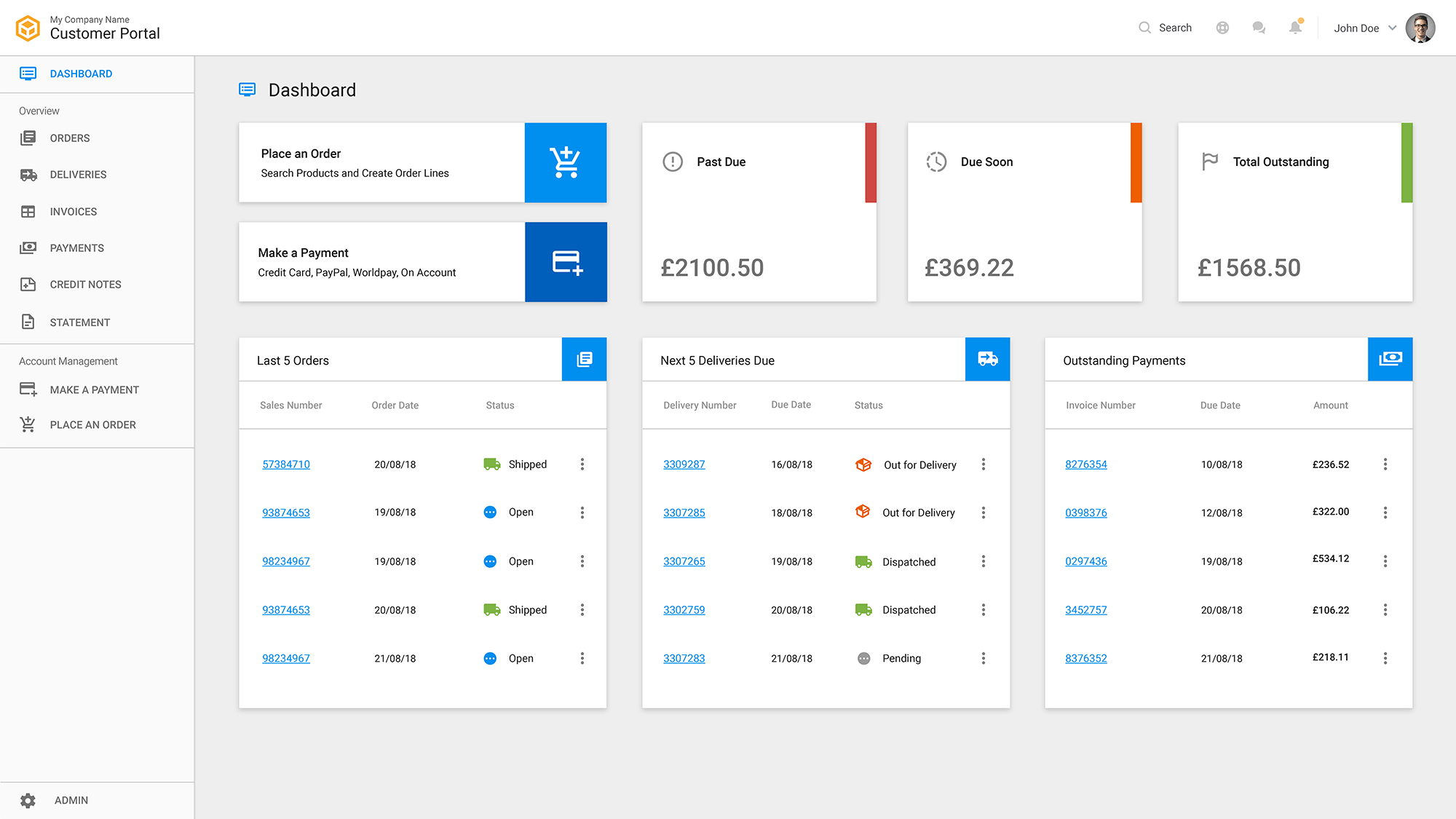
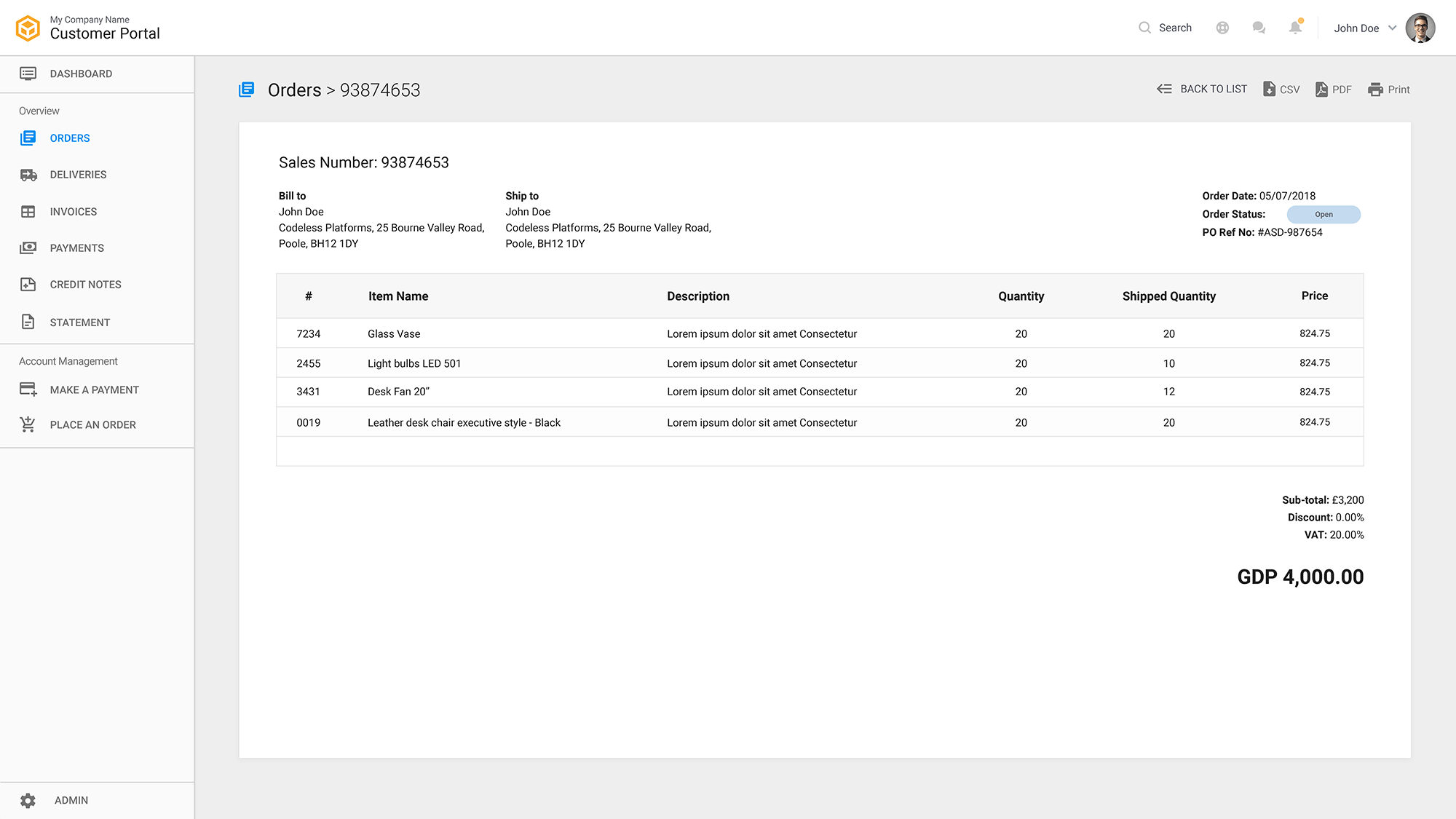
Our Sage 300 customer portal template enables manufacturers, distributors, and wholesalers to extend Sage 300 directly to customers through a secure, self-service web portal.

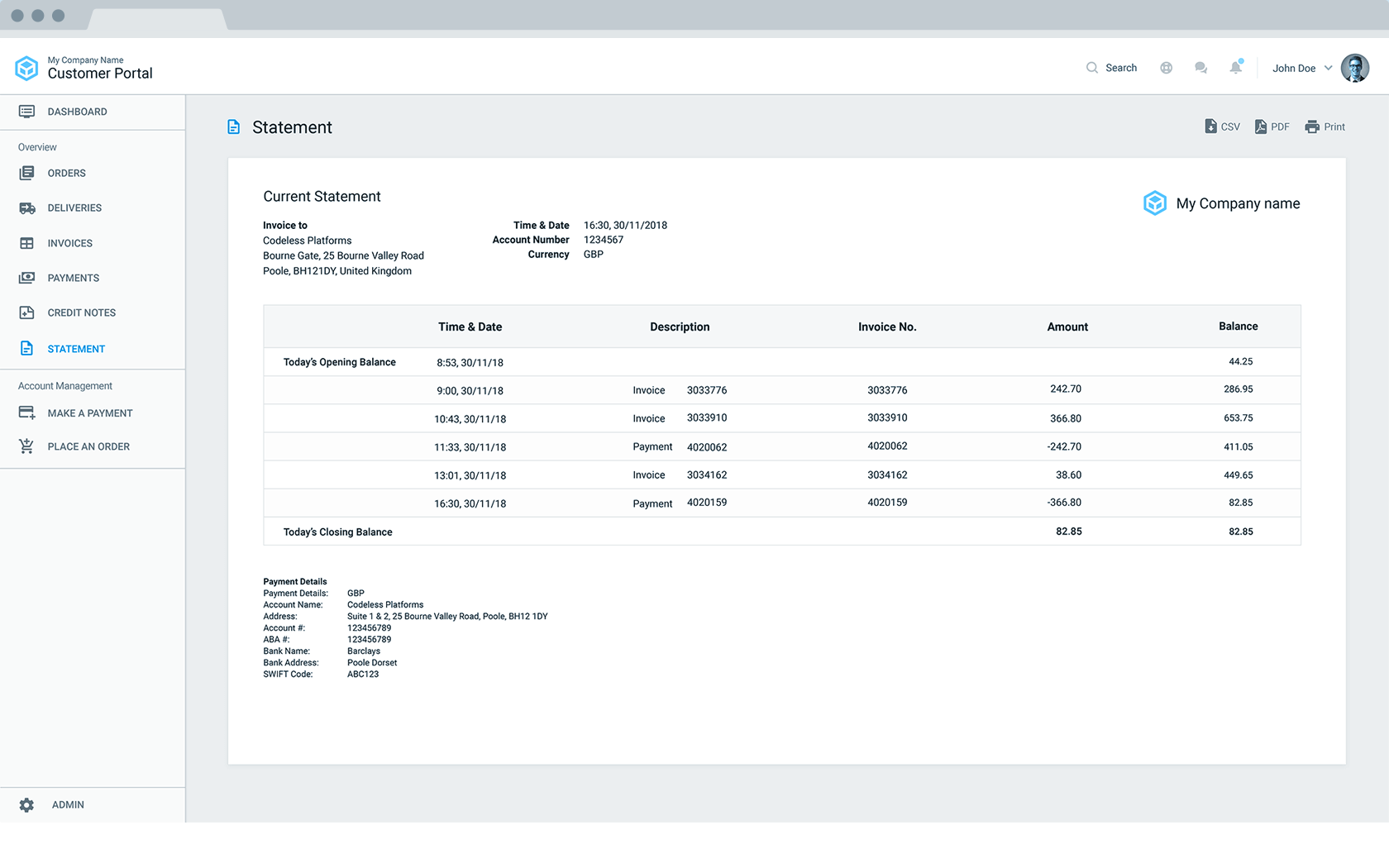
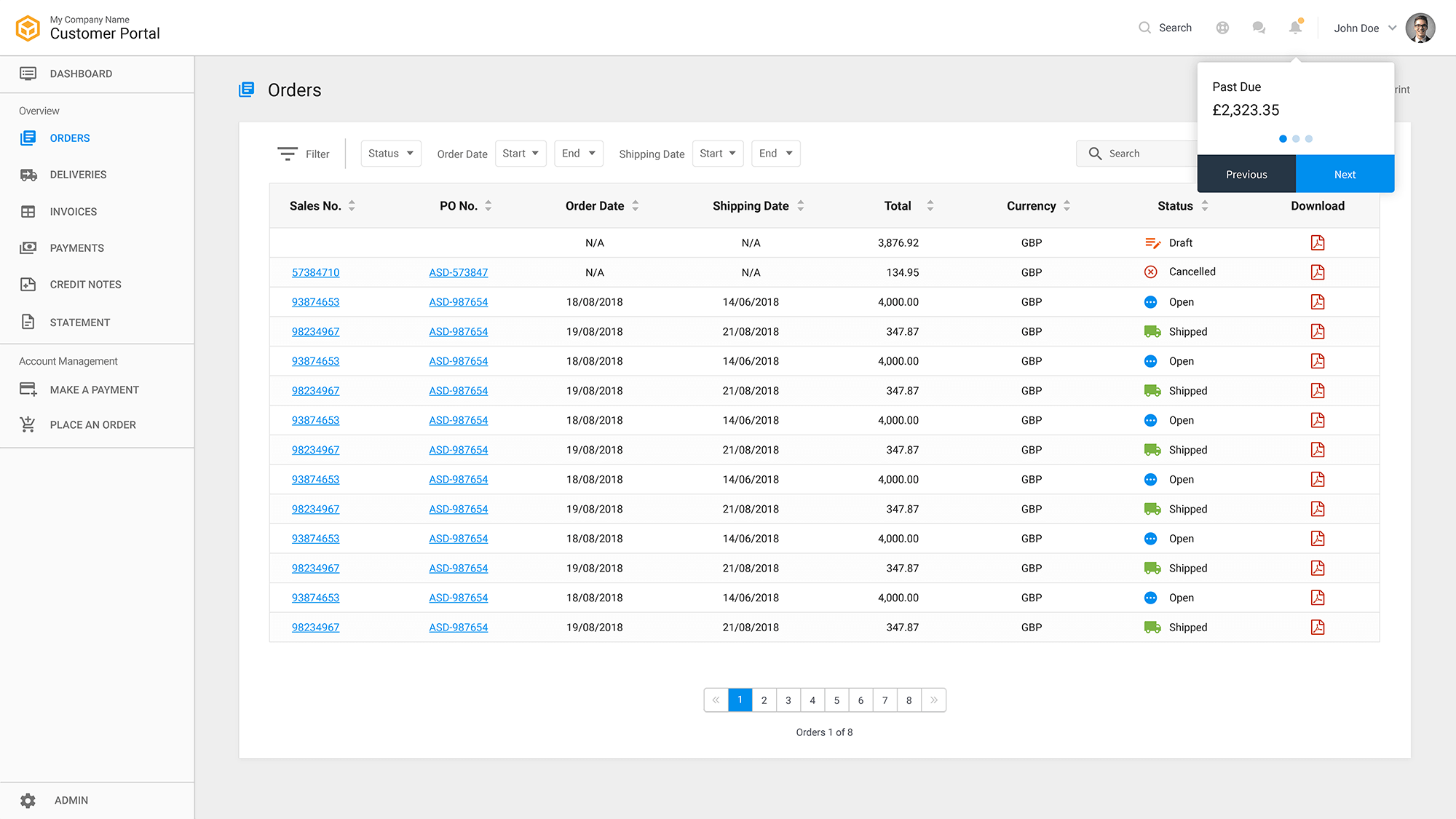
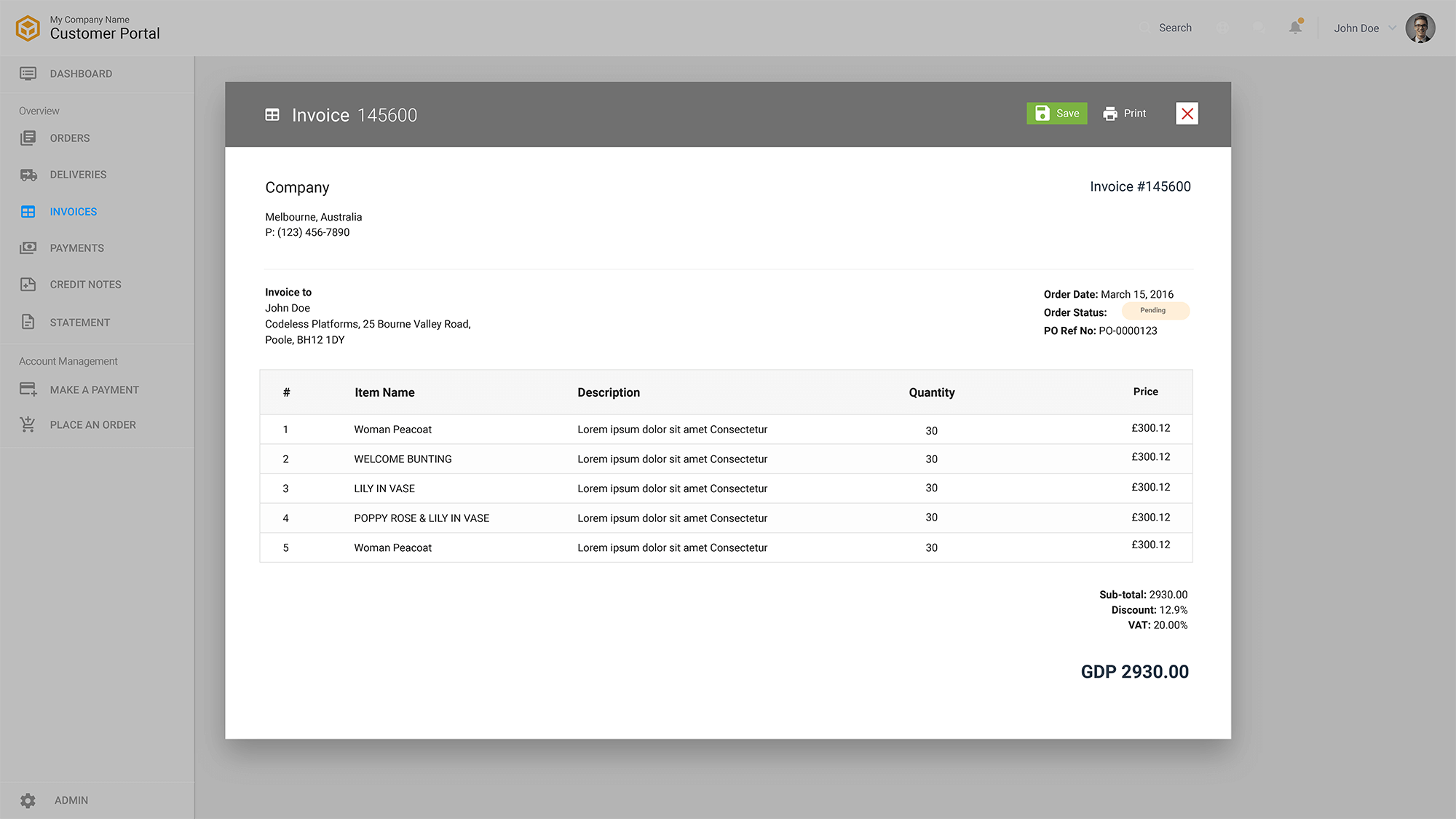
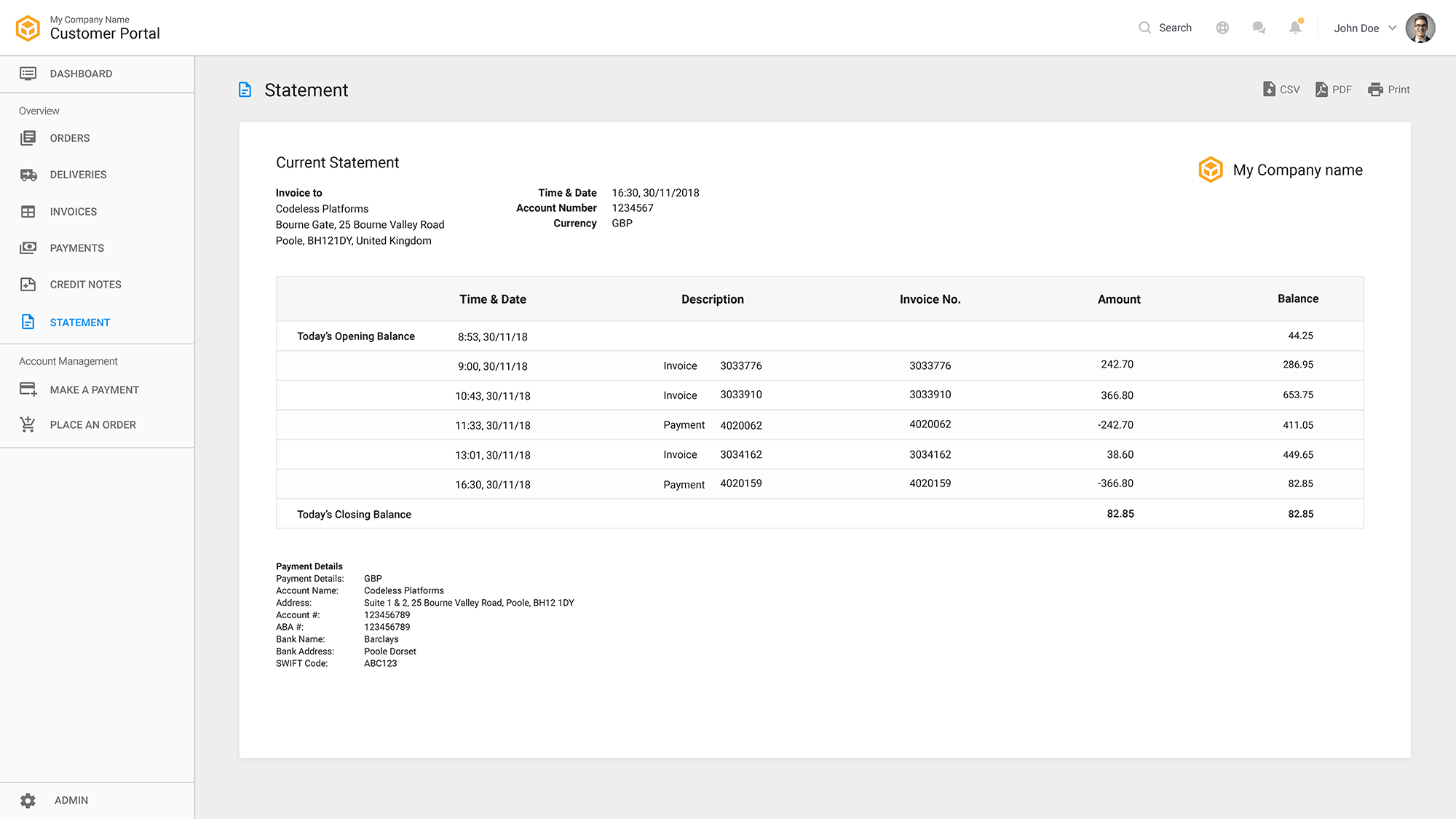
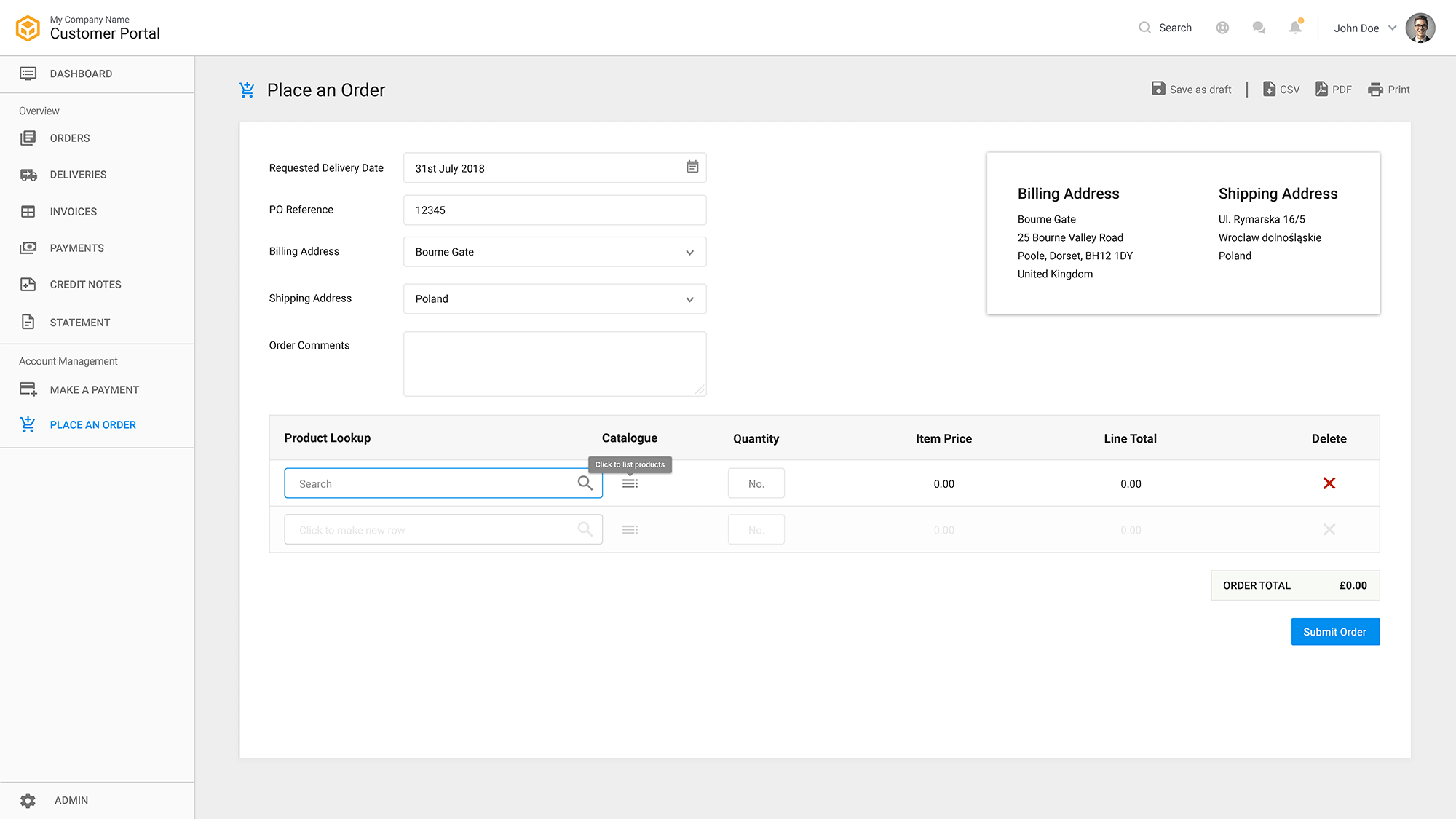
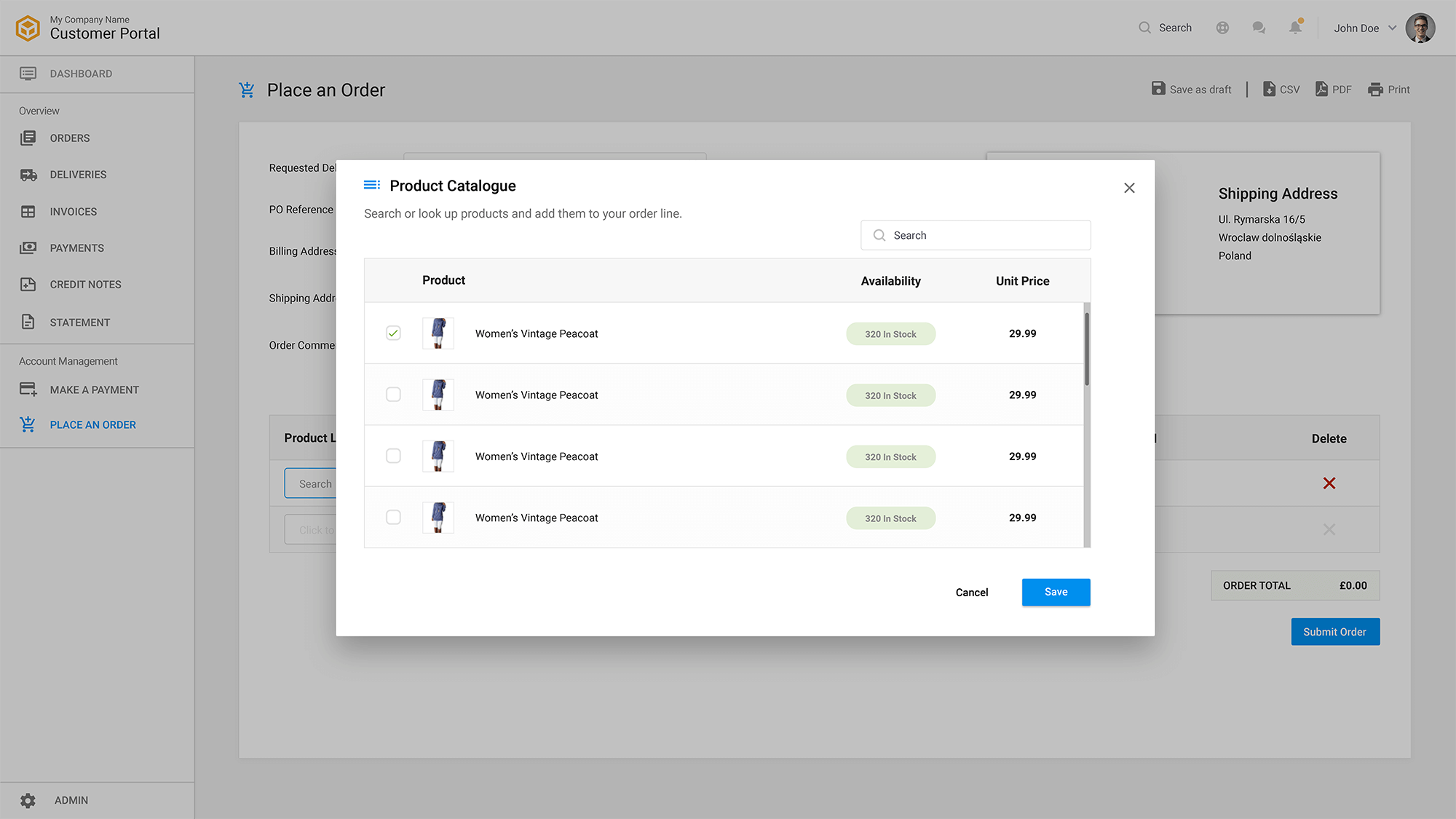
Customers can place and track orders, view invoices and statements, access account-specific pricing, and check stock availability - all backed by Sage 300 as the single source of truth.

Designed to work with Sage 300’s core financials and distribution processes, the portal respects your pricing rules, credit controls, and workflows without duplicating data or introducing manual work.

Start with the Sage 300 customer portal template as a proven foundation, then configure and extend it to match your processes, customers, and growth plans. See how this works with your ERP → Book a 15-min discovery call

Feature-rich customer portals for Sage 300

Avoid bolt-on portals that sit outside your ERP. Our Sage 300 customer portal template is designed to integrate directly with Sage 300’s data and business processes.

Tailor customer experiences while keeping pricing, stock, credit limits, and invoices governed by Sage 300.

Sage 300-led integration

Expose real-time pricing, inventory availability, orders, and invoices directly from Sage 300 - without spreadsheets or data duplication.

Responsive, always-on access

Give customers secure access across desktop, tablet, and mobile - enabling 24/7 self-service aligned with Sage 300.

Reduce service and admin workload

Deflect “where’s my order?” and invoice requests by giving customers direct visibility into their Sage 300 account data.

Controlled customer access

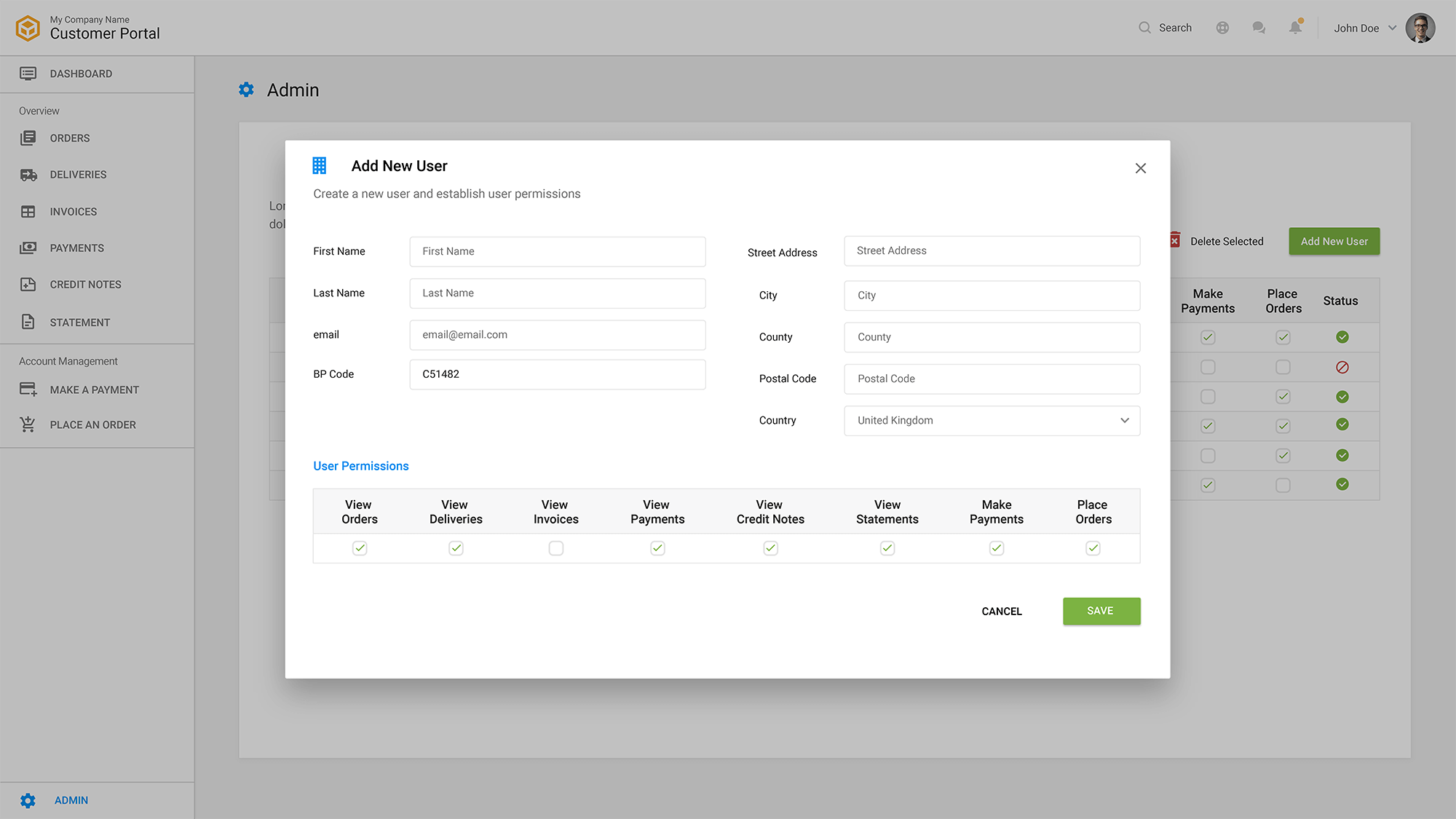
Apply role-based permissions so customers only see what they’re entitled to - pricing, products, and documents governed by Sage 300 rules.

Typical Results We See

  • 20–40% reduction in customer service enquiries
  • 30–60% of repeat orders moved into Sage 300-driven self-service
  • Faster invoice access, helping reduce Days Sales Outstanding (DSO)
  • Ability to scale customers and order volume without adding headcount
See how Sage 300 data becomes real-time customer self-service.

Get your 15-minute live demo

Accelerate time to market

Enterprise-grade security

Protect customer and financial data using SSL/HTTPS, Single Sign-On, LDAP authentication, password policies, and IP whitelisting.

Build, deploy, and scale

Configure portal pages and workflows to match your Sage 300 configuration and customer processes - while supporting high transaction volumes.

Sage 300 & API integration

Integrate your customer portal tightly with Sage 300 ERP and extend it using APIs and web services as requirements evolve.

Sage 300 customer portal templates reduce delivery time and risk. Use low-code tools to deploy faster, maintain ERP integrity, and realise value sooner.

What's next?

Getting started with Applications Platform is as easy as 1-2-3

Experience low-code

Experience low-code

Launch a demo environment and take a look around our platform.

Low-code integration capabilities

Professional Services

Don't have the time or resources? We can scope, build and deploy any solution.

Start your journey
Public, private or on-premises

Ask us a question

Ask a technical question, get a technical response. No sales fluff.

FAQs: Web Portals

Most Relevant

The highly customisable web portals application has been pre-built with your customers in mind to provide them with easy access to relevant information such as invoices, deliveries and orders.

Common web portals developed on the platform include: Customer portal, supplier or trading partner portal, employee / HR portal, purchase order processing portal, customer service portal, communications portal, product returns portal.

Yes, data often resides in more than one business system or application. To reduce repetitive, bi-directional data entry such as updating details or uploading documents (purchase orders, invoices, contracts, policies etc.) use our market proven integration solution to do the hard work for you.
The web portal template is compatible with all image file types as well as PDFs, Microsoft Office (Word, Excel, PowerPoint etc.), RTF and TXT formats, CSV and XML.

Standard modules include:

  • Order placement and management
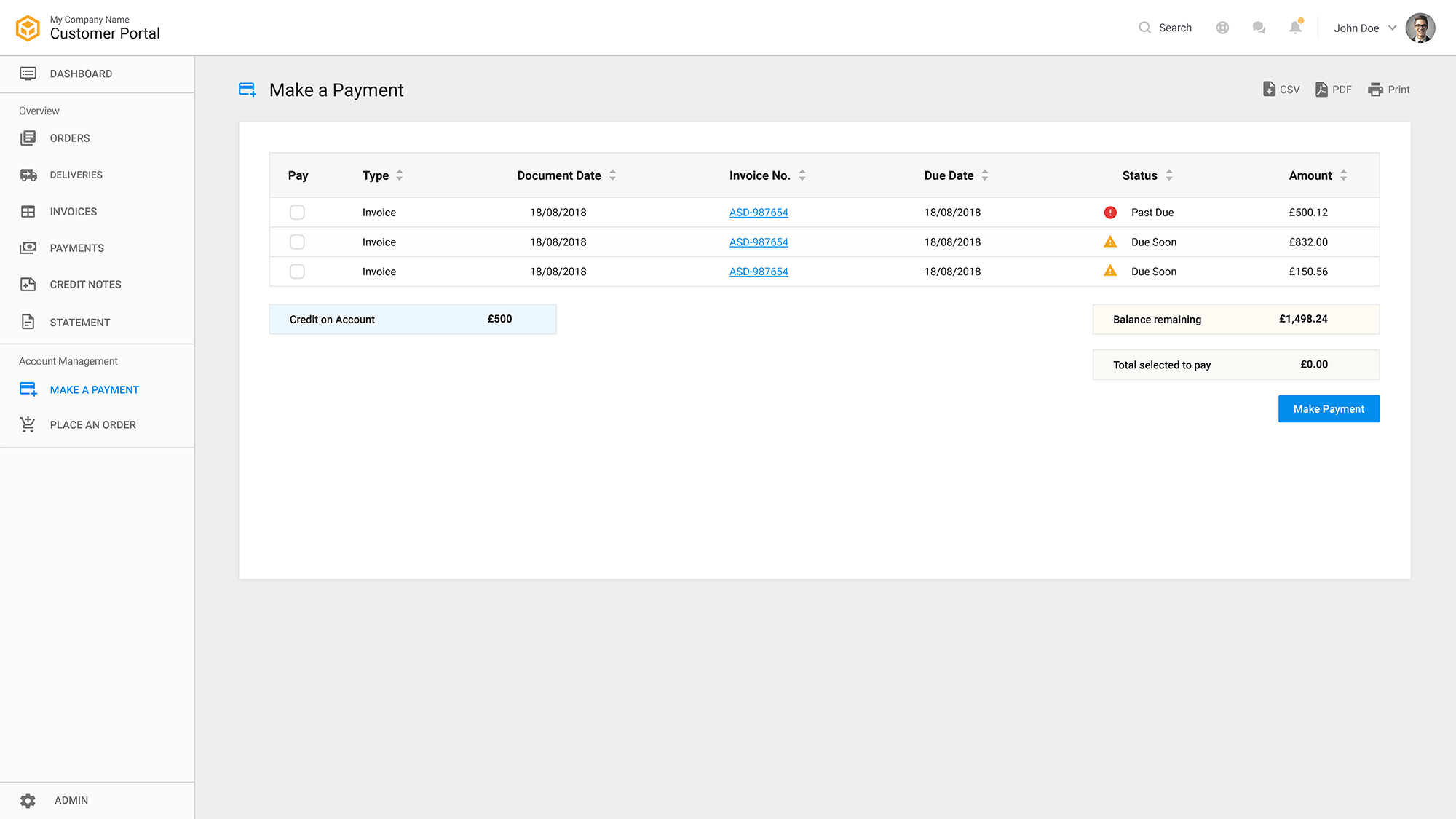
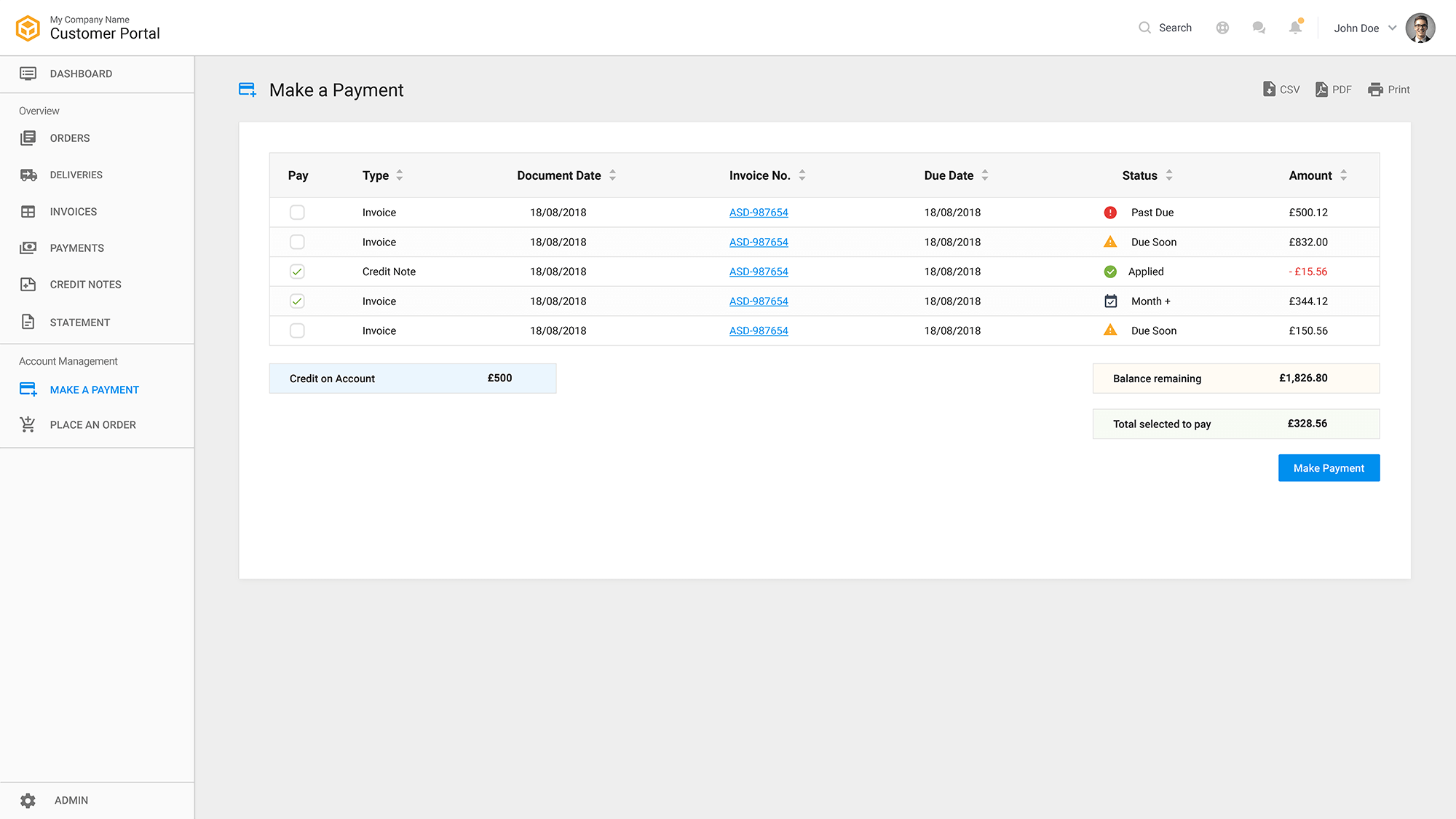
  • Statement access
  • Credit memos
  • Deliveries
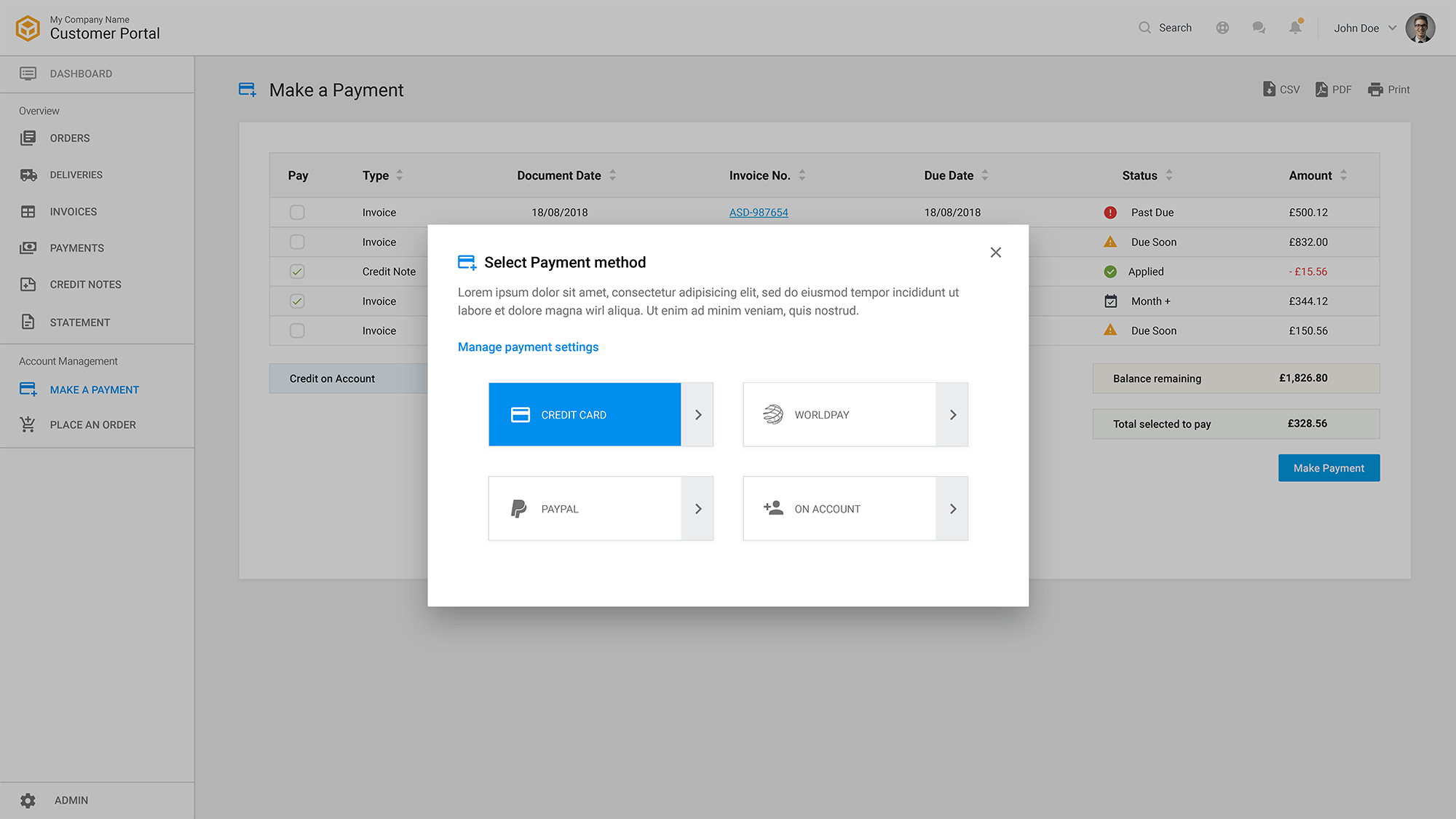
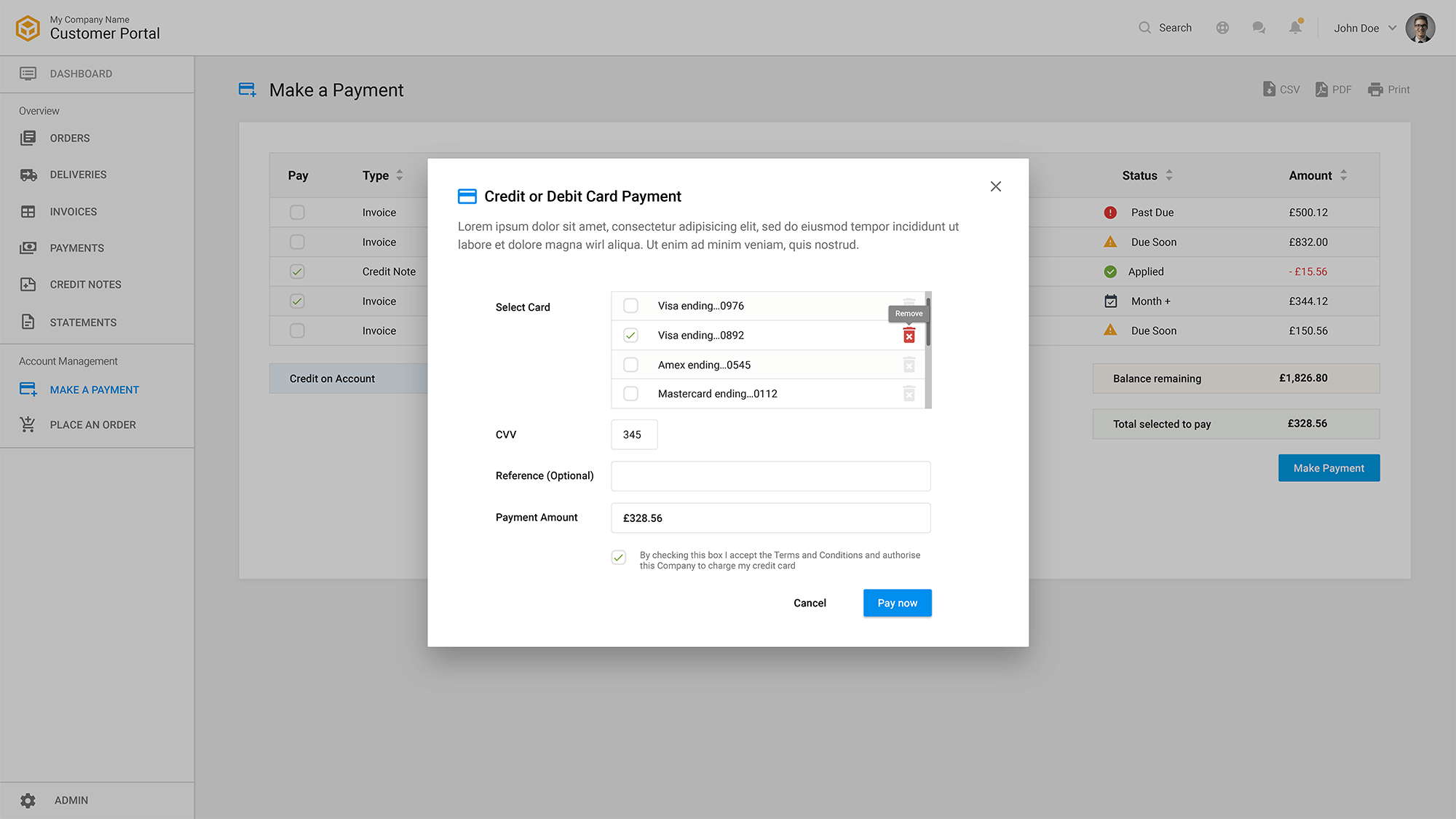
  • Online payments
Yes, the web portal template is set up with a secure area to accept multi-currency credit, debit and ePayment transactions.

It depends on what access you would like the user to access; if they need read/write access and from what data sources? Our web portals cater for both authenticated and unauthenticated users.

Authenticated: These users identify themselves and can update information e.g. contact details. This user can be served up a tailored data view.

Unauthenticated: Users can access and submit information without identifying themselves. These users will be presented with a standardised view.

There are two types of web portal, depending on your business requirements; these are vertical and horizontal. Vertical portals focus on a specific business function that enables users inside and outside of your business to see, edit and contribute to processes within the application. Horizontal web portals provide users with the ability to see aggregated data from multiple applications via a single-view experience.
A web portal is a specialised web-based platform that functions as a centralised, secure gateway to information, services, and resources, often customised for specific user groups or industries. Serving as a single point of access, it aggregates content and features from multiple sources and is typically personalised to improve user experience and streamline workflows.
Yes, web portals can be integrated with other software and systems, enabling seamless data exchange and the automation of business workflows. This connectivity enhances efficiency and delivers a more streamlined, user-friendly experience for both businesses and users. Our market proven integration engine connects any application, extension, workflow or portal you create to your existing on-premises or cloud-based applications.
All portals benefit from Secure Sockets Layer (SSL) and Hypertext Transfer Protocol (HTTPS). Other security features include: Single Sign-On, LDAP authentication, Password Expiration Policies and IP Whitelists, which enable the administrator to control portal access with incredible precision.
General FAQs
Yes, all our applications provide you with the ability to read/write information, add your own company logo and create custom CSS styles.
Don’t worry, our professional services team is on hand to discuss your objectives, scope, plan, build and deploy your application to meet your exact business requirements.
The technical requirements couldn’t be simpler. All you need is a computer and internet connection to start building applications or customise application templates.
Supported databases include MySQL, Microsoft SQL Server and Oracle.
Yes, you can build custom Microsoft Word, Microsoft Excel, plain text and XML document templates that are used to display record data in pre-specified locations.
Yes, our specialised drag and drop integration solution provides you with a graphical user interface (GUI) to integrate existing on-premises or cloud-based business systems or applications and automate the synchronisation of data. You can connect to practically any data source via ODBC, OLEDB, Web Services or an extensive range of supported third-party APIs through connectors.
We provide full UK-based support and advice that is just a phone call away.
90% of applications built on Applications Platform are either 'code-free' or only contain simple scripts for field formulas etc.
As a PaaS provider, the continuation of service is one of our core competencies. If an unforeseen issue disrupted service, a backup would automatically be commissioned, and your level of service would be uninterrupted.
Yes, you can try the application right now. Select 'Try now' and dive straight in or call our team who will help set you up.
All of our templated solutions benefit from Secure Sockets Layer (SSL) and Hypertext Transfer Protocol (HTTPS), whilst applications are encoded with Base64 for complete peace of mind. Other security features include; single sign on, password expiration policies and IP whitelists, which enable the administrator to control application access with incredible precision.
Yes, it provides a native responsive interface for a total cross-device experience.

Does it support multiple devices? articles

Jump into a demo

Jump into a B2B Portal for Sage 300 ERP demonstration

Piqued your interest? Why not get a closer look at the template and Applications Platform in action.